
The Intelligent Garden
How AI is Changing the Way We Design, Build and Enjoy Our Gardens
Artificial intelligence is already transforming our homes, from voice-controlled lighting to robot vacuum cleaners. Now, the same technology is beginning to influence our gardens. While nothing will ever replace thoughtful design or skilled landscaping, AI can help create outdoor spaces that are more sustainable, easier to maintain and better suited to modern lifestyles.
🌱 Smarter Watering
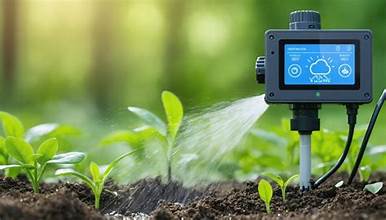
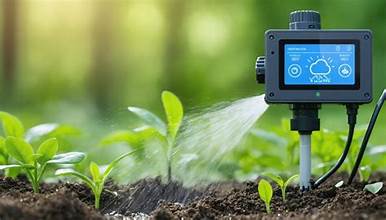
Perhaps the most practical use of AI in the garden is intelligent irrigation. Traditional watering systems simply operate on a timer, regardless of whether it has rained overnight or the soil is already damp. Modern smart irrigation systems can connect to local weather forecasts, monitor soil moisture levels and even learn how quickly different parts of the garden dry out.
Instead of watering to a fixed schedule, they respond to real conditions. A sunny, south-facing border may receive more water than a shaded planting area, while irrigation can pause automatically if rain is forecast. This not only reduces water consumption but also encourages healthier plants by avoiding overwatering.
As hotter, drier summers become more common in the UK, intelligent irrigation is likely to become a standard feature in many new gardens.
🌿 Plant health monitoring
AI is also helping gardeners monitor plant health. Using smartphone apps or dedicated cameras, artificial intelligence can identify thousands of plant species and recognise early signs of disease, nutrient deficiencies or pest damage from a simple photograph.
Rather than waiting until a plant is visibly struggling, these tools can often detect problems much earlier, allowing treatment before significant damage occurs. Over time, this technology is expected to become even more accurate, helping homeowners understand exactly what their plants need and reducing unnecessary use of pesticides or fertilisers.
For larger gardens, this offers a practical way to keep planting schemes thriving throughout the year.
💡 Smart outdoor lighting
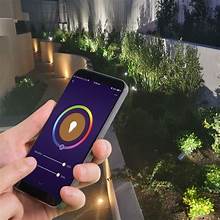
Outdoor lighting has moved far beyond simple timers. Smart lighting systems can now respond to sunset times, occupancy sensors and homeowner routines. Lights can illuminate pathways as someone approaches the house, highlight architectural planting during evening entertaining or adjust brightness throughout the year as daylight hours change.
Many systems can also be controlled remotely using a smartphone, allowing homeowners to create different lighting scenes for family evenings, garden parties or quiet relaxation. As technology develops, AI is expected to learn household routines automatically, making outdoor spaces both safer and more inviting.
🤖 4. Robotic maintenance
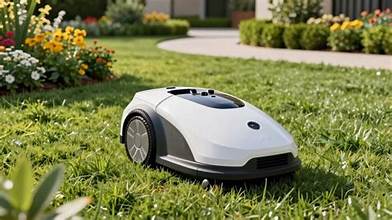
Robotic lawn mowers have become increasingly common and are capable of maintaining a perfectly cut lawn with very little input from the homeowner. Modern models use GPS positioning, intelligent mapping and obstacle detection to navigate around trees, flower beds and garden furniture before returning automatically to their charging station.
This technology continues to evolve, with robots beginning to assist in tasks such as monitoring planting, identifying weeds and even carrying out precision maintenance. While they won't replace professional gardeners, they can reduce routine maintenance and allow homeowners to spend more time enjoying their gardens.
🦋 Encouraging Wildlife
Artificial intelligence is also helping us understand the wildlife that shares our gardens. Smart wildlife cameras can automatically recognise bird species, identify visiting mammals such as hedgehogs and even record butterflies and pollinating insects throughout the seasons.
This information provides valuable insight into how a garden supports biodiversity and helps homeowners make informed planting decisions. As wildlife-friendly gardening becomes increasingly important, AI offers a fascinating way to observe nature while contributing to conservation

🌦️ Responding to the Weather
Weather conditions have always influenced how we care for our gardens, but AI can now react almost instantly to changing forecasts. Smart systems can delay irrigation if rain is expected, increase watering during prolonged heatwaves or send alerts when frost may threaten tender plants.
Rather than relying on fixed routines, these systems adapt to changing conditions automatically, helping gardens remain healthy while reducing unnecessary water use. For busy homeowners, this means less manual intervention and greater confidence that the garden is receiving the care it needs.
☀️ Smarter Energy Management
As more homeowners install solar panels and battery storage, gardens are becoming part of a wider smart energy network. Outdoor lighting, water features, irrigation pumps and even garden offices can be programmed to operate when renewable energy is most readily available or electricity costs are at their lowest.
This creates opportunities to reduce running costs while lowering environmental impact. As home energy systems become increasingly intelligent, gardens will naturally become part of this connected ecosystem.
🏡 Creating a Smarter Outdoor Living Space
Modern gardens are often designed as extensions of the home, and AI can help bring these outdoor rooms to life. Imagine arriving home on a summer evening and having the garden automatically prepare itself. Feature lighting gradually illuminates pathways and planting, gentle music begins to play through discreet outdoor speakers, patio heaters warm the seating area and a water feature starts flowing, all without pressing a button.
Voice assistants and smart home platforms already make much of this possible, allowing homeowners to create personalised settings for entertaining, dining or simply relaxing outdoors.
🔧 Designing for the Future
One of the most valuable ways AI influences garden design actually happens before any technology is installed. By planning for future upgrades during construction, landscape designers can install hidden ducts beneath patios, spare electrical conduits, irrigation pipework and service routes that make future technology easy to add.
Even if a client doesn't choose smart irrigation, automated lighting or integrated audio today, preparing the infrastructure during the build avoids costly disruption later. It's a simple investment that helps ensure the garden remains adaptable as technology continues to evolve.
What AI Can't Replace
While artificial intelligence can automate routine tasks and improve efficiency, it cannot replace creativity, craftsmanship or human understanding. It cannot appreciate how morning sunlight filters through a tree, how children will play in a space or how planting should change with the seasons to create year-round interest.
The most successful gardens will always begin with thoughtful design and skilled construction. AI is simply another tool that helps homeowners protect that investment, making gardens easier to care for, more sustainable and even more enjoyable to spend time in.