
Choosing Plants for Your Lancashire Garden
One of the first things many clients say to me is, “I’m not a gardener—I haven’t got a clue what to plant.”
The good news is that you don’t need to know the Latin names of hundreds of plants to have a beautiful garden. In fact, I believe the best gardens are often built around a relatively small selection of reliable plants that complement each other and provide interest throughout the year.
Here in Lancashire we’re fortunate to enjoy a climate that allows us to grow a huge variety of plants. The challenge isn’t finding plants that will survive—it’s choosing the right ones to give your garden structure, colour and interest in every season.
Start with the Structure
I always begin with the permanent framework of the garden. These are the plants that give shape and create interest even in the middle of winter.
Some of my favourites include:
- Portuguese Laurel for elegant evergreen screening.
- Photinia ‘Red Robin’ for its vibrant red spring foliage.
- Elaeagnus for soft silver-green leaves and year-round interest.
- Camellias for spectacular flowers in late winter and early spring.
- Japanese Acers as beautiful focal points with stunning autumn colour.
Once the structure is in place, it’s time to soften the garden with planting that changes through the seasons.
Summer Colour
For long-lasting displays, it’s hard to beat combinations of:
- White Hydrangea ‘Annabelle’
- Blue or white Agapanthus
- Purple Salvia
- Nepeta spilling over path edges
- Verbena bonariensis adding height and movement
- Echinacea for bold summer colour
These plants work beautifully together, attracting bees and butterflies while flowering for months.
Favourite Plants by Colour
If you’re drawn to a particular colour scheme, here are a few reliable favourites that work well in Lancashire gardens:
Whites and Soft Neutrals
- Hydrangea ‘Annabelle’
- Astrantia ‘Roma’
- Gaura lindheimeri
- White Foxgloves (Digitalis)
Blues and Purples
- Salvia ‘Caradonna’
- Nepeta ‘Walker’s Low’
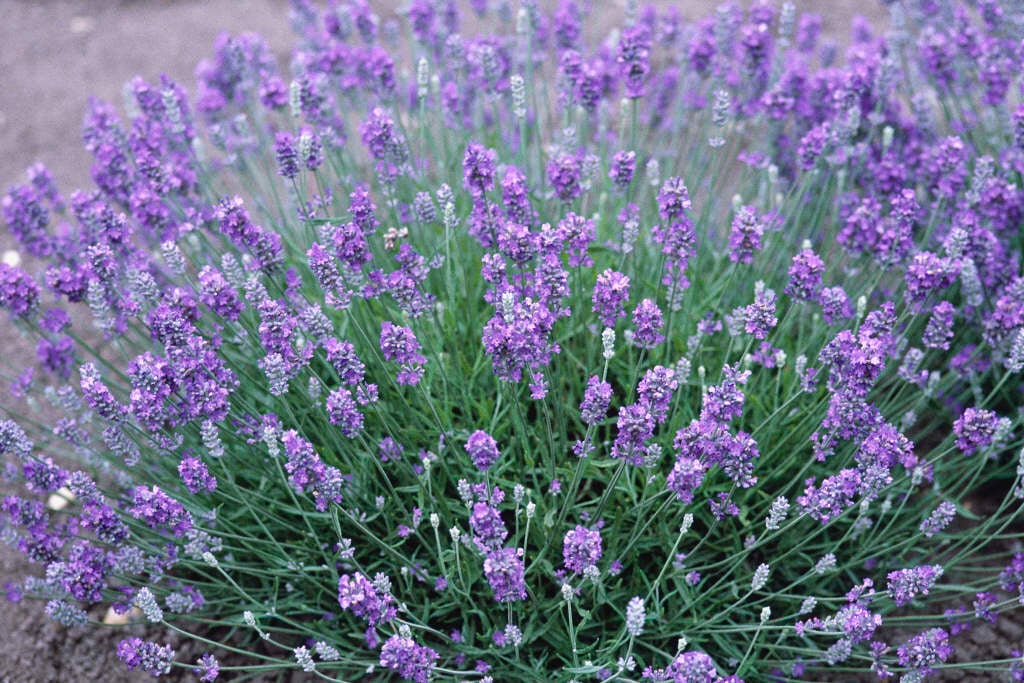
- Lavender
- Geranium ‘Rozanne’
Pinks and Reds
- Echinacea
- Roses (shrub varieties for reliability)
- Heuchera for foliage colour
- Penstemon for long flowering
Repeating a small selection of colours throughout your garden helps create a calm, cohesive look.
Plants for Pollinators
If you’d like to encourage bees, butterflies and other beneficial insects, these plants are excellent choices:
- Lavender – a favourite for bees and wonderfully fragrant
- Salvia – long flowering and highly attractive to pollinators
- Verbena bonariensis – loved by butterflies
- Echinacea – great for bees and seed heads for birds later on
- Alliums – early-season nectar sources
- Sedum (Hylotelephium) – late-season food for pollinators
Including a mix of these plants ensures there’s something in flower from spring through to autumn.
Texture and Movement
Not every plant needs colourful flowers.
Ornamental grasses bring movement, softness and structure, catching the light and adding interest long after many flowers have faded. They combine beautifully with flowering perennials to create a natural, relaxed feel.
Filling the Gaps
One of the biggest mistakes I see is leaving lots of bare soil between plants.
Underplanting with reliable perennials creates a fuller, healthier garden, suppresses weeds and reduces maintenance. Plants like Nepeta, hardy Geraniums and low-growing grasses knit everything together and make borders look established much more quickly.
Plant for the Conditions
Rather than trying to force a plant to grow somewhere it doesn’t want to be, choose plants that suit your garden.
Think about:
- How much sun does the area receive?
- Is the soil free-draining or heavy clay?
- Is the garden exposed to wind?
- How much time do you want to spend maintaining it?
Choosing the right plant for the right place is the secret to a successful garden.
Don’t Be Afraid to Keep It Simple
A garden doesn’t need dozens of different plant varieties to be beautiful.
Repeating the same shrubs and perennials throughout a garden creates rhythm, balance and a much calmer, more elegant appearance. In many cases, less really is more.
At Tracey-Anne Gardens, I always choose plants that suit both the garden and the people who will enjoy it. The aim isn’t to create a garden that needs constant attention—it’s to create one that looks beautiful throughout the seasons and becomes a pleasure to spend time in for years to come.